Is Wood Sustainable? Everything You Need to Know
By Melvin · 3 min read
It seems so simple: trees are good for the environment, so cutting them down must be bad. But is that assumption really justified? While it’s wise that we’re now more concerned about the planet, it doesn’t hurt to take a closer look. The use of wood could play an important role in the sustainable future we strive for. In this article, we explain when the use of wood is sustainable and how it can contribute to a better world.

What Makes Wood Sustainable?
Trees absorb CO₂ from the air and use it to grow. The carbon (C) from the atmosphere is then stored in the wood. This stored carbon is released back into nature when the tree dies. During its lifetime, the tree absorbs exactly as much carbon as is released when the wood decomposes. It doesn’t matter whether the tree decomposes naturally or is burned. Burning wood simply releases the carbon more quickly, but the total amount remains the same. Trees are therefore climate-neutral, as they absorb as much CO₂ as they emit. That’s certainly a good thing, but does it also mean that wood is sustainable?
Wood in a Circular Economy
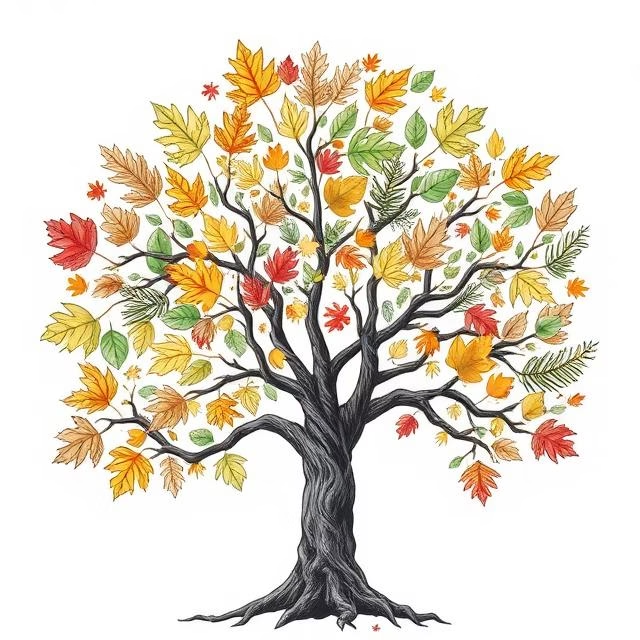
The answer is yes, wood is sustainable. But only under the condition that it is part of a circular system, also called the circular economy. This is a system in which raw materials are endlessly reused, so no waste is created. How this works can be seen in the illustration below.

This does not mean we can use wood without limits or consequences. In fact, at least one new tree should be planted for every tree that is felled, so the cycle can start again. Wood is therefore only sustainable in a circular economy like the one in the image above. Unlike plastic, wood can be renewed endlessly without creating waste or emissions.
Of course, self-interest also plays a part. Wood is simply more beautiful than plastic, and that difference only becomes more apparent over time. While plastic discolors and is hard to maintain, wood gradually develops more character over time. This natural aging process is known as patina. It not only adds extra charm but also contributes to the sustainability of wood, since wooden products often remain in use for much longer because of it.
Challenges for Sustainable Wood
Deforestation
A balance between planting and cutting is therefore required to make this system work properly. Unfortunately, that is easier said than done, because the forest area on Earth is currently decreasing.
This is being caused by:
- Forest fires, diseases, and illegal logging
- A disrupted ability of forests to recover
- Monocultures in planted forests
- Climate change
It is therefore essential to have control over the health and protection of the forest to prevent losing too many trees. This concept is called sustainable forest management.

We explain more about this in our article about illegal logging.
Polluting Wood
Surprisingly, not all uses of wood are good for the environment. This is mainly due to harmful chemicals that are used. Exposure to these substances is unhealthy for both people and nature. Moreover, these chemicals create waste, which disrupts the circular economy.
Some examples:
- Engineered wood like MDF contains formaldehyde resin. This is toxic and can be released even during cutting or sanding.
- Wood paint and varnish contain volatile organic compounds (VOCs).
- Wood treated with pesticides.
The Consumer
Studies have shown that a combination of psychology and marketing causes consumers to assume too quickly that wood is sustainable. Nature benefits when more people educate themselves, just like you are doing now by reading this article. Always pay close attention to where you buy wood products and watch out for polluting wood.
Conclusion
Yes, sustainable wood definitely exists. Wood stores CO₂ and is renewable, or in this case, regrowable. Unfortunately, these benefits are lost due to mistakes made by forest managers, manufacturers, and consumers. That is why it is important for us to pay close attention. Choose products made from sustainable wood. In this way, you contribute to a healthy planet.